Preventing Bean Bags From Getting Flat
The filling in your bean bag doesn't last forever — but flat doesn't always mean finished. Here's how the flip and fluff method works, how often to do it, and when it's actually time to replace the filling.
Bean bag filling doesn't last forever - and that's not a quality problem, it's just the nature of EPS beans. The tiny air pockets inside each bead gradually compress with use, and over time your bean bag starts to feel flatter and less supportive than it did when it first arrived. The good news is that most of the time, flat doesn't mean finished.
A few simple habits keep the filling in good shape for longer and when it does eventually need replacing, the process is straightforward.
Why do bean bags go flat?
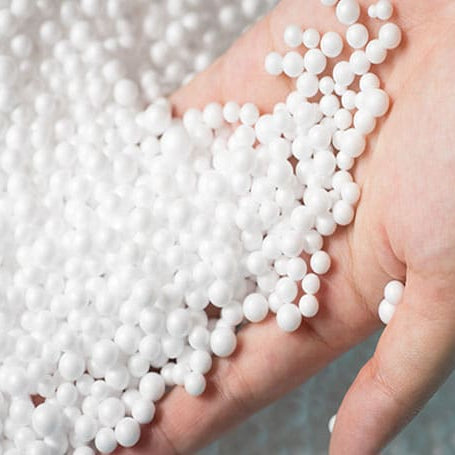
The filling most people use in their bean bags, is Expanded Polystyrene or EPS. It's the same lightweight bead material used in protective packaging and foam products. Each bead contains tiny air pockets that give it volume and that sink-in comfort that makes bean bags so comfortable to sit in.
With regular use, those air pockets gradually compress. The beads don't break down, they just lose the air that gives them their shape. The more the bean bag is used and the longer it's sat in at a time, the faster this happens. It's completely normal and it happens to all bean bag filling eventually, regardless of quality.
The flip and fluff method - and how to do it properly
Before you reach for new filling, try the flip and fluff. It works by redistributing the beans and helping them regain some of the air they've lost and for a bean bag that's gone flat gradually over time rather than all at once, it often restores enough volume to make a noticeable difference.
A quick note before you start: open the bean bag somewhere away from children and pets. EPS beans are a suffocation hazard if inhaled - always use the childproof zipper mechanism carefully and keep the filling contained.
Step 1 - Open the zipper
Our bean bags use a childproof zip that requires a paperclip or similar object to open. Insert the paperclip into the zip pull, slide it open, and hold the opening upright to prevent beans spilling out.
Step 2 - Shake it
With the opening held upright, shake the bean bag firmly for about five minutes. You're trying to loosen the compressed beans and introduce air back into the filling, it takes a bit of effort but you'll feel the difference in volume as you go. If the bean bag has an inner bag, shake that separately before reinserting it into the cover.
Step 3 - Check and repeat if needed
Close the zip, sit in the bean bag and see how it feels. If it's still flatter than you'd like, repeat the process. Two rounds of flip and fluff usually does the job for a bean bag that's been gradually compressing over time.
If it still feels flat after two attempts, the filling has reached the end of its useful life and needs topping up or replacing.
How to keep your filling in good shape for longer
Flip and fluff regularly - not just when it goes flat. Doing this every few months as a habit rather than waiting until the bean bag is noticeably flat extends the life of the filling significantly. It takes five minutes and makes a real difference over time.
Rotate who sits where. If one person always sits in the same spot, that area compresses faster than the rest of the filling. Encouraging the beans to shift around across the whole bag keeps the volume more even.
Don't leave it compressed for extended periods. A bean bag that's been sat in heavily all day and then left in its compressed shape overnight compresses faster than one that's shaken out at the end of the day. A quick fluff before you leave it for the night makes a difference.
Know when to top up rather than replace. If the flip and fluff restores some volume but not enough, adding a small amount of new EPS beans on top of the existing filling is often all that's needed. A full replacement is only necessary when the beans have compressed beyond recovery - which typically takes a few years of regular use.
When it's time to replace the filling
EPS beans don't last forever. Depending on how heavily the bean bag is used, the filling will typically need topping up or replacing somewhere between two and five years. When the flip and fluff method stops making a meaningful difference, that's the signal.
Our how to fill your bean bag guide covers the process in detail - including how much filling you need for each of our pieces. And if you're not sure where to buy EPS beans, our where to buy bean bag filling guide has suppliers across Australia and internationally.
Important Info about your Bean Bags
How to remove mould from your outdoor bean bag?
Mould on your outdoor bean bag? Learn how to safely remove it using household cleaners like vinegar, baking soda, or bleach—plus tips to keep it from coming back.
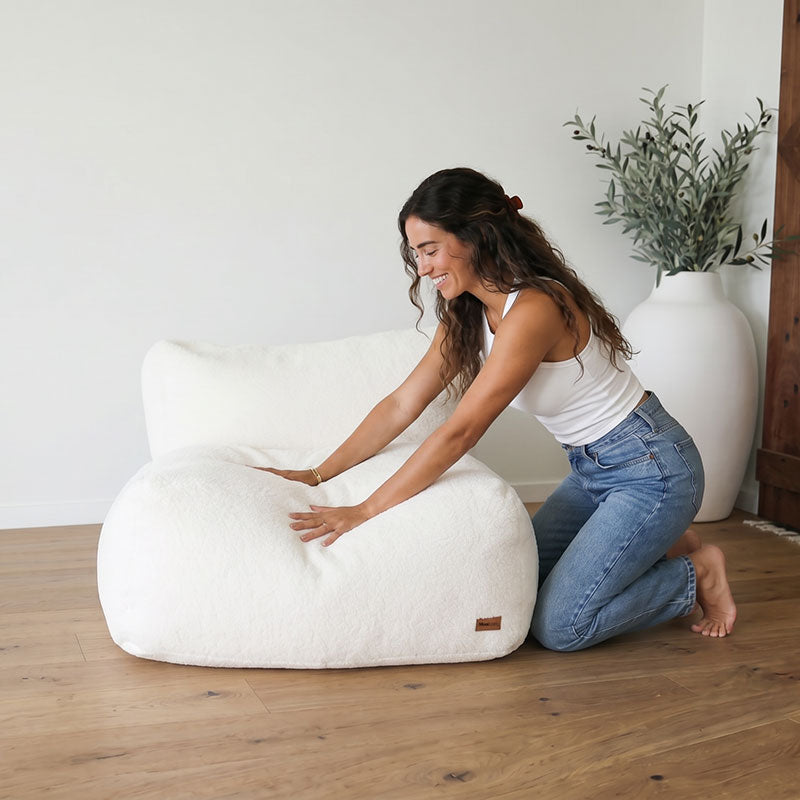
Preventing Bean Bags From Getting Flat
The filling in your bean bag doesn't last forever — but flat doesn't always mean finished. Here's how the flip and fluff method works, how often to do it, and when it's actually time to replace the filling.